Crease Report — College Lacrosse News
Lacrosse Positions Explained: A Guide for New Fans and Parents
Attack, midfield, defense, goalie — plus LSM, SSDM, and faceoff. What every position does and why it matters.
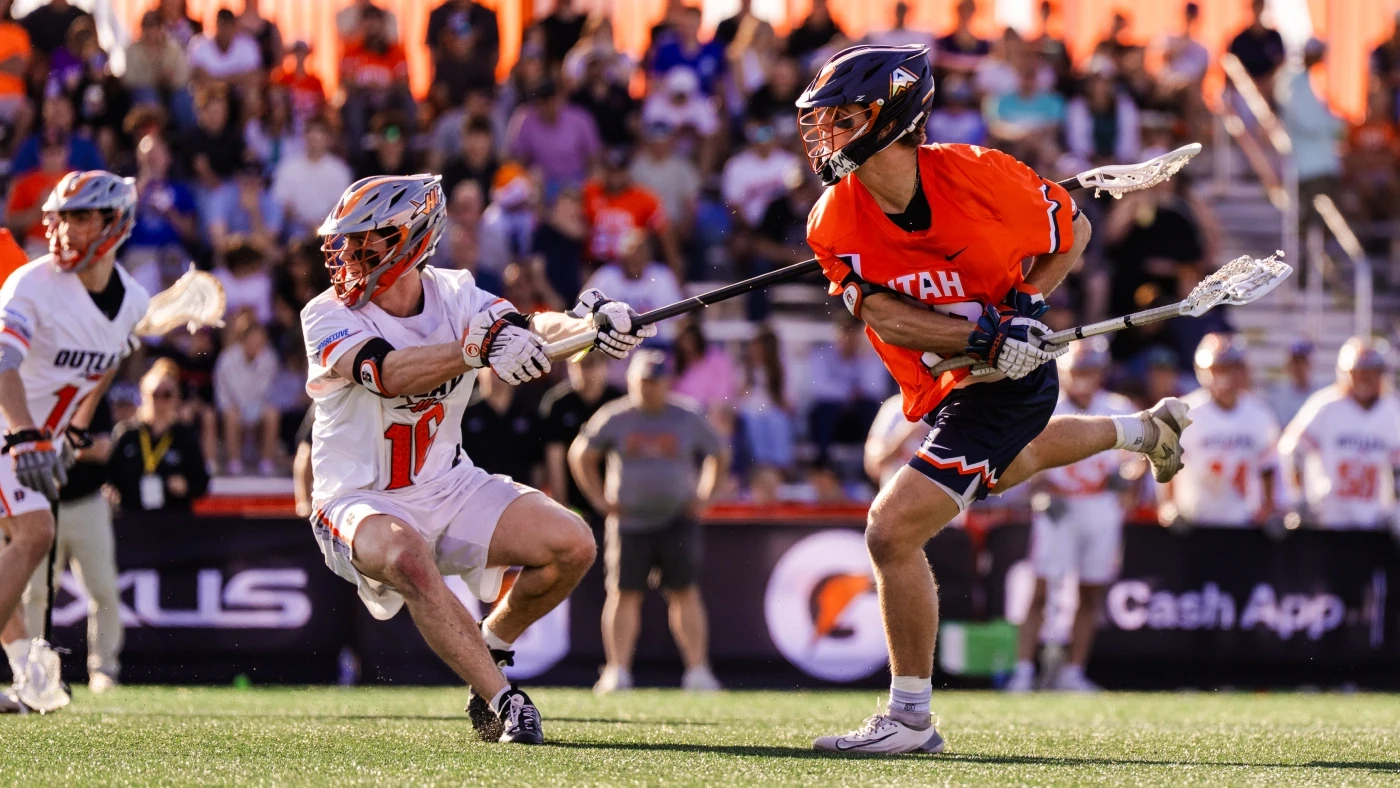
College lacrosse has ten players on the field per team, but the position breakdown is more nuanced than attack, midfield, and defense. Understanding what each role does makes the game dramatically more watchable — and helps recruits understand exactly what coaches are evaluating when they watch their film.
Attack (3 Players)
Attackers must stay within the offensive half of the field (they can cross midfield but must leave one midfielder or attacker back). Their job is to score and create — from behind the cage, from the perimeter, and inside the crease. At the D1 level, attackers are expected to dodge, feed, and finish with both hands. A one-handed attacker who can only operate from the left side has a very short shelf life against D1 defenders.
The best attackers are creative under pressure. Dodging in tight spaces, protecting the ball with their body, making quick decisions when the defense collapses — these are the traits coaches look for beyond raw stats.
Midfield (3 Players)
Midfielders are the most athletic players on the field. They run the entire 110-yard length constantly, transition between offense and defense, and are expected to contribute in both directions. The midfield is where most games are won and lost at the college level.
Within midfield, there's meaningful specialization. Some midfielders are primarily offensive threats (two-way mids who can finish). Others are specialists — see below for SSDM and faceoff.
Defense (3 Players)
Defensemen use long sticks (up to 72 inches) and are responsible for stopping opposing attackers. Footwork, body positioning, and communication are the core skills. Great defenders aren't just physical — they read the game, communicate with each other and the goalie, and make smart decisions about when to check and when to play body.
College coaches often say defenders are the hardest position to recruit because their contributions are the hardest to show in a highlight film. A defender who never gives up a goal doesn't have flashy plays — just stops. This makes tournament attendance especially important for poles trying to get noticed.
Goalie
The goalie is the quarterback of the defense. Beyond shot-stopping, goalies are responsible for directing the defense, calling out picks, and initiating the clear. At the D1 level, goalies who can't clear the ball are liabilities — a poor clear is a lost possession, and lost possessions at the D1 level result in goals.
Goalie recruiting is unusual because coaches recruit for specific systems. A goalie who thrives in a press-and-check scheme may struggle in a drop scheme. Understanding a program's defensive philosophy matters when targeting schools.
Specialist Positions
Long Stick Midfielder (LSM): A midfielder who carries a long pole. Used primarily on defense to match up against opposing offensive midfielders. Great LSMs are athletic enough to run with offensive players but disciplined enough not to leave gaps. The best can also contribute on clears and transition.
Short Stick Defensive Midfielder (SSDM): A midfielder who plays a defensive role with a short stick. The SSDM often guards the opposing team's best offensive midfielder. Athleticism and defensive IQ are the key traits — these players don't generate offense but are critical to defensive structure.
Faceoff Specialist (FOGO): Faceoff, Get Off. A player who specializes entirely in taking faceoffs and then substituting off the field immediately after winning or losing possession. At the elite level, winning 55%+ of faceoffs creates a massive possession advantage. Top FOGOs are among the most recruited specialists in the sport.
Watching the Game With This in Mind
Once you understand the specialization, you start to see the chess match within the game. Coaches matchup their SSDM against the opposing team's best offensive midfielder. An LSM cheats toward the crease to take away feeding lanes. A FOGO wins the faceoff and sprints off for a fresh midfielder. The athleticism is obvious — the tactical structure underneath it rewards close attention.